
To stay mosquito-free year-round, experts recommend identifying and eliminating breeding sites like stagnant water in birdbaths, gutters, and containers. Using both natural repellents such as citronella oils and proven chemical options like DEET enhances protection repellent mosquito. Installing tight-fitting screens and barriers prevents mosquito entry indoors. Maintaining your yard by trimming vegetation and clearing debris reduces mosquito habitats. Understanding these strategies lays the foundation for thorough mosquito control measures that improve comfort and health throughout the year.
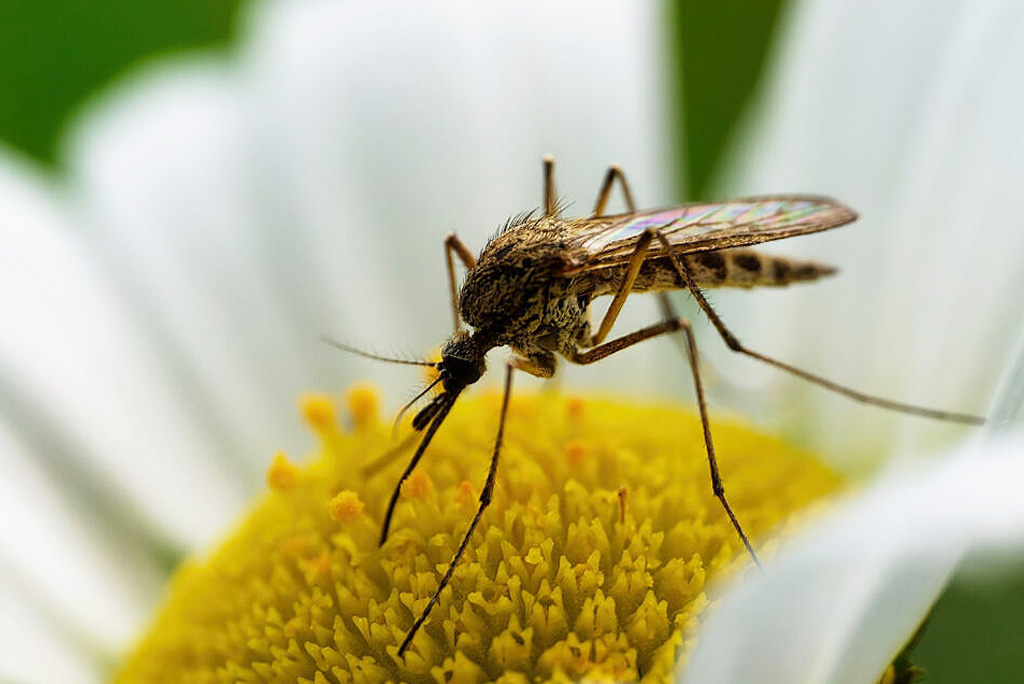
Identify Mosquito Hotspots Around Your Home
In evaluating mosquito hotspots around a home, attention centers on areas where stagnant water accumulates, as these provide ideal breeding grounds igreenasia. Common sites include birdbaths, clogged gutters, flowerpots, and rainwater pools. Even small amounts of water left undisturbed for several days can support mosquito larvae. Other overlooked spots include tarps, unused tires, and outdoor toys.
Dense vegetation near the house offers shelter and humidity, attracting adult mosquitoes. Identifying these hotspots is vital for proactive control, allowing homeowners to take targeted actions that reduce mosquito presence without unnecessary restrictions. By focusing on these key areas, individuals can maintain greater freedom in their outdoor spaces, enjoying their property without constant concern about mosquito bites or the risks they pose.
Use Natural and Chemical Repellents Safely
How can individuals effectively protect themselves from mosquitoes while ensuring safety? Balancing protection with health requires thoughtful use of repellents.
Natural options like citronella, eucalyptus, and lavender oils offer a chemical-free barrier, suitable for those seeking organic solutions. However, their effectiveness may vary and frequent application is necessary.
Chemical repellents containing DEET, picaridin, or IR3535 provide longer-lasting defense and are rigorously tested for safety. It is essential to follow label instructions and avoid overuse, especially on children and sensitive skin.
Combining natural and chemical repellents appropriately can maximize freedom from bites while minimizing risks. Ultimately, informed choices empower individuals to enjoy outdoor activities without compromising their well-being.
Eliminate Standing Water to Stop Breeding
By removing standing water around homes and communities, mosquito breeding grounds can be effectively eliminated. Mosquitoes require stagnant water to lay eggs and develop larvae, so eliminating such sources disrupts their life cycle. Common areas to check include flower pots, gutters, birdbaths, discarded tires, and clogged drains.
Regularly emptying or treating these sites prevents water accumulation, reducing mosquito populations naturally. This proactive approach empowers individuals to take control of their environment, minimizing reliance on chemical interventions. Maintaining vigilance after rainfall or irrigation is essential, as even small amounts of water can support breeding.
Eliminating standing water not only curtails mosquito proliferation but also enhances outdoor freedom by reducing biting nuisances and potential disease transmission.
Install Screens and Barriers to Block Mosquitoes
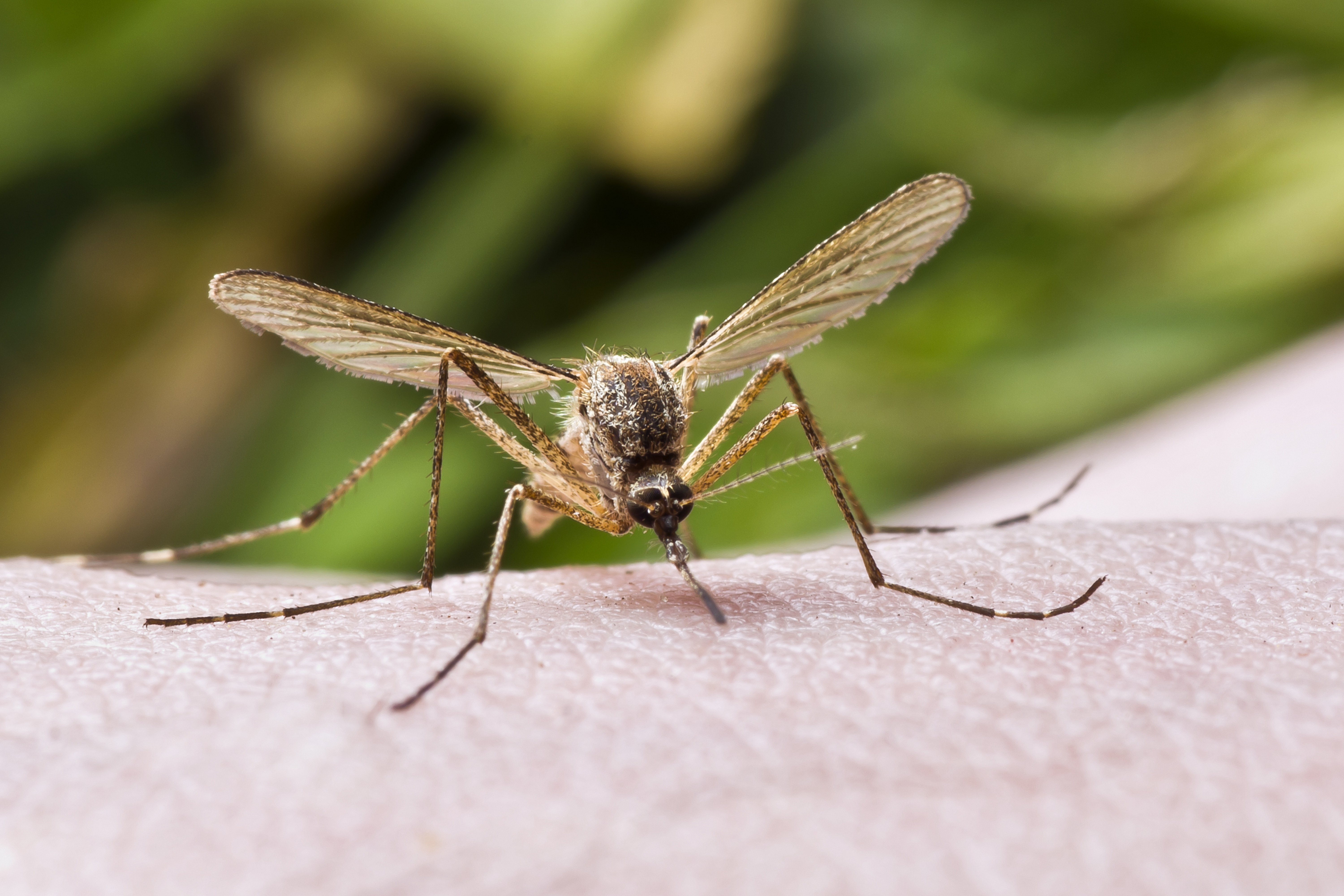
To reduce indoor mosquito intrusion, installing screens and physical barriers on windows, doors, and vents serves as an effective preventative measure. These installations allow individuals to enjoy open air and natural light without sacrificing comfort or safety.
Key points to take into account include:
- Use fine mesh screens to block even the smallest mosquitoes.
- Make certain screens fit tightly with no gaps or tears.
- Install door sweeps and weather stripping to close entry points.
- Take into account window and door screen maintenance for long-term protection.
Maintain Your Yard to Reduce Mosquito Habitats
In outdoor spaces, standing water and dense vegetation provide ideal breeding grounds for mosquitoes. To minimize these habitats, regularly draining or removing stagnant water from birdbaths, gutters, and containers is essential. Keeping lawns trimmed and bushes pruned reduces shaded, humid areas where mosquitoes thrive.
Clearing debris and leaves prevents moisture accumulation that supports larvae development. Proper yard maintenance also includes filling low ground depressions where water can pool after rain. Encouraging natural predators like birds and bats by installing feeders and houses contributes to mosquito control.
Conclusion
By identifying mosquito hotspots, using repellents responsibly, eliminating standing water, installing protective barriers, and maintaining the yard, individuals can markedly reduce mosquito presence around their homes. These combined strategies create an effective defense against mosquitoes, helping to minimize bites and the risks associated with mosquito-borne illnesses. Consistent application of these expert tips guarantees a more comfortable, mosquito-free environment throughout the year, promoting health and outdoor enjoyment for all.